

This post is dedicated to Nicola, thank you for pushing me.
I am running more at the moment - training for a 30km trail run in September. Needless to say, my legs are telling me loudly that they are doing more than usual. At the same time, strength training is still happening twice a week. It is a careful balance between lifting enough weight to increase muscle strength, maintain muscle mass and making sure sure my legs can still run the following day.
Last week, the balance shifted away from optimizing running performance. A dedicated hamstring strength session triggered severe DOMS, and two days later, I found myself grumbling with each step down the stairs. The subsequent run was a real struggle—heavy legs simply do not run well.
You have all been there: two days after leg day and walking down stairs is an exercise in pain.
Characteristics and mechanisms for (DOMS) were covered in a previous post, #33 Lactic Acid Does Not Give You DOMS.
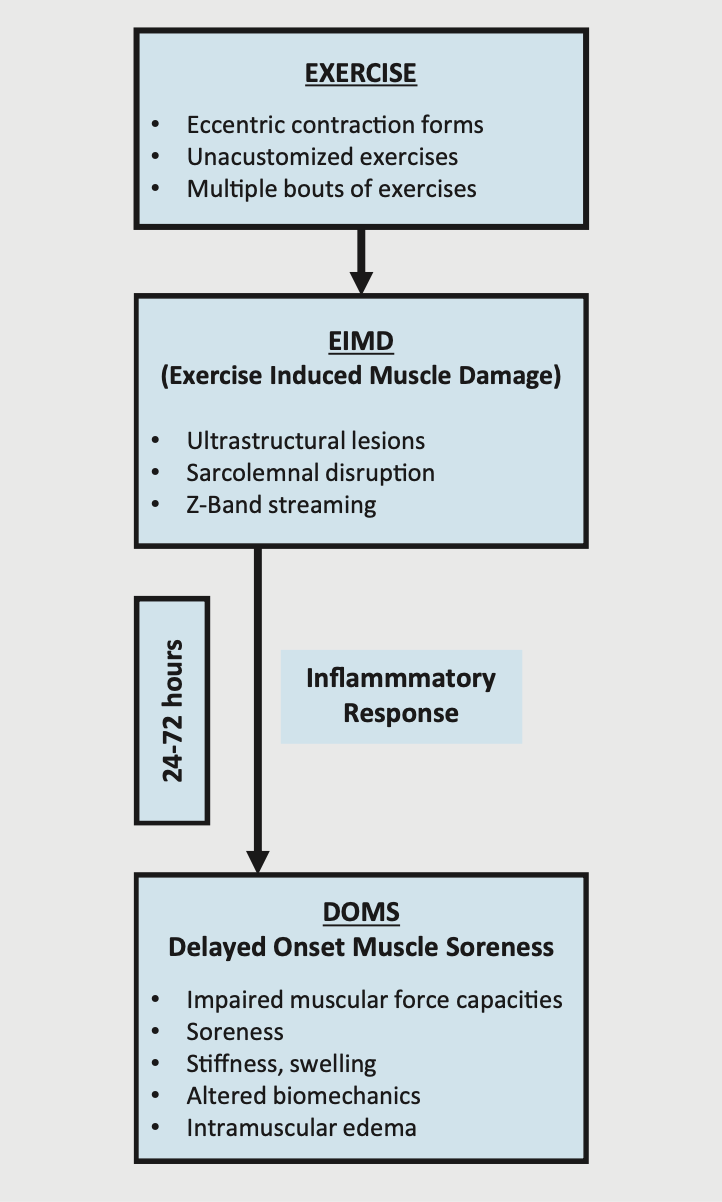
A quick recap:
Two conditions are necessary to induce DOMS: untrained muscles and strong contractions.
Pain and stiffness are noticeable after 6 - 12 hours and increase progressively until peaking at 48 - 72 hours. Symptoms gradually reduce until they disappear 5 - 7 days later.
What DOMS are NOT: lactic acid build up and muscle spams.
What DOMS are: micro-muscle damage, connective tissue damage, enzyme and calcium efflux, nerve end pain sensitisation and increased pain signalling, cellular membrane damage and leakage of contents, mitochondrial dysfunction, muscle cell energy depletion, inflammation and finally repair and recovery.
Covered in this article:
Can you reduce the pain and stiffness of DOMS?
Can DOMS be prevented?
Repeated Bout effect
NSAIDs
Treating DOMS
Pain medication
Manage the swelling: active recovery, compression, cold, heat and massage
Other therapies in brief
Summary and Ideal Protocol
Can you reduce the pain and stiffness of DOMS?
A glance at multiple mechanisms, DOMS appears to be a very complex problem. Each of the aspects involved in DOMS has a different therapeutic approach - some will overlap. This also provides a framework for how to think about recovery from exercise to reduce the duration and intensity of DOMS.
The research on recovery from DOMS is a complete mess.
There are way too many treatment protocols tested in research settings. What makes it worse is that every treatment option has many variations. For instance: cold water immersion at 5C or at 11C? And immediately post-exercise or the next day? And for 5 minutes or 15 minutes? And is it reasonable to compare a 5-min ice bath to 5-min massage?
This makes comparisons between treatments nearly impossible. There are currently no agreed best protocols.
I have come to the conclusion that the timing of intervention is more important than what you do. If you wait until the next day, it probably will not alter the course of DOMS progression.
WHEN you do something trumps WHAT type of treatment you do.
Cost and access consideration is the second most important factor. Even if cryotherapy is the ultimate treatment, and even if you have access, it is far too expensive for the average human.
The 3rd consideration is trade-offs. A few treatment options, like NSAIDs and (very) cold therapy can completely blunt the DOMS symptoms. However, muscle strength and growth adaptation will be compromised.
Can DOMS be prevented?
The obvious answer yes - if you never do exercises that will induce DOMS. This is clearly not feasible. The types of exercises that predictably induce DOMS are the exact same exercises that increase strength, endurance and build adaptation to prevent injuries1.
Repeated bout effect
Any good conditioning coach will introduce a new exercise with progressive intensity. For example starting with 3 reps for 3 sets on the first day, then increasing to 5 reps a few days later, and continuing to build gradually. The goal is to avoid excessive soreness that limits movements for days afterwards. The initial session with a new, challenging eccentric exercise provides a protective effect against exercise-induced muscle damage (EIMD) in subsequent workouts. Importantly, theses first few sessions does not need to be maximal - a moderate intensity is sufficient. Completing more than one sub-maximal session, such as 2 or 3 per week, offers greater protection against soreness and injury than just a single session2.
The best part is that the adaptation and protection benefits last a long time, from several weeks to 6 months, slowly reducing over time3.
The repeated bout effect: repeating sessions of sub-maximal eccentric contractions with progressive intensity over the training period.
Scientist think that the repeated bout effects are partly due to neural adaptation, alteration to mechanical properties of muscle-tendon complex, extracellular matrix remodelling and biochemical signalling4.
NSAIDs (non-steroidal anti-inflammatory drugs)
NSAIDs interrupt the biochemical inflammatory cascade. The initial “call to arms” by injured cells and immune cells are amplified through the cyclo-oxygenase (COX1 and COX2) enzyme cascade. A series of enzymatic steps leads to increasing pro-inflammatory molecules, pain and swelling. After the inflammatory peak is reached, the “rescuers” arrive in the form of anti-inflammatory molecules.
Will taking anti-inflammatory medication with your pre-workout prevent DOMS?
The short answer is yes, if you have access to prescription-only selective COX-2 inhibitor medications like celecoxib, arcoxia, meloxicam, mobic and zaltoprofen5.
Taking an over-the-counter COX inhibitor before exercise do NOT prevent DOMS. The majority of NSAIDs are non-selective, targeting both COX-1 and COX-2 pathways: ibuprofen, diclofenac (voltaren) and naproxen.
BUT there are no free lunches: if you stop the inflammation, you will also NOT get all the strength and endurance benefits from training session.
This option could be used sparingly in multiple competition days where adaptation is not the priority. The risk is that should you sustain an injury on those days, the injury recovery could be delayed as well.
Treating DOMS
To design a treatment for DOMS, we need to figure out what we are trying to manage:
pain on movement,
swelling,
joint stiffness and reduced range of movement,
reduced muscular force capacity,
cellular energy depletion,
inflammation,
and also rebuilding of damaged muscle and connective tissue.
Heiss et al. (2019) summarised treatment for DOMS into five categories: thermal therapy (heat and cold), compression, active form of regeneration, physical therapy, and oral medication and supplements.
With the exception of oral pain medication and supplements, all physical treatment options discussed here share similar mechanisms: increase blood flow to reduce swelling, remove harmful metabolites and improve influx of nutrients and anti-inflammatory molecules.
Will taking pain medication after exercise help?
With DOMS, the nerve endings (nociceptors) around the muscle and connective tissue remain on high alert for 2 to 5 days, sending pain signals to the brain even at the slightest provocation. A minor bump that would normally register as pressure instead triggers a sharp pain signal response.
Research on the use of NSAIDs for DOMS is conflicting. As mentioned above, NSAIDs block the inflammation cascade. Most studies suggest that taking NSAIDs AFTER exercise does NOT significantly halt or reduce the progression of DOMS, although timing and dosage might influence the outcomes. While pain relief may be noticeable for a brief period, pain sensitisation remains elevated, despite reductions in inflammatory markers. One study6 did find that taking Naproxen for three days alleviated DOMS symptoms.
Laboratory experiments demonstrate that heightened pain signalling can be reduced by administering anti-nerve growth factor (anti-NGF) antibodies, and blocking glial cell line-derived neurotrophic factor (GDNF) after symptom onset can reverse DOMS (Mizumura et al. 2024). Unfortunately, we do not have over the counter access to these treatments.
Manage the Swelling
To reduce DOMS, the most effective way to lower pain signalling is by alleviating swelling. Swelling contributes to increased pressure around the nerve endings, which amplifies the pain signals sent to the brain.
In practice, if athletes perceive less soreness, they feel better and consequently perform better.
Timing is important - NONE of these strategies mentioned below are likely to reduce DOMS if used too late. The best timing is within 8h, perhaps 24h of exercise with an outside limit of 48h. Anything you do AFTER 48h will likely do nothing to reduce the pain and stiffness.
The figure below illustrates the many different treatment options available. The tick mark indicates moderate to strong evidence of effectiveness. Inconclusive or insufficient research are marked with a question mark.
The stand-out treatments include massage, cold, heat and compression.
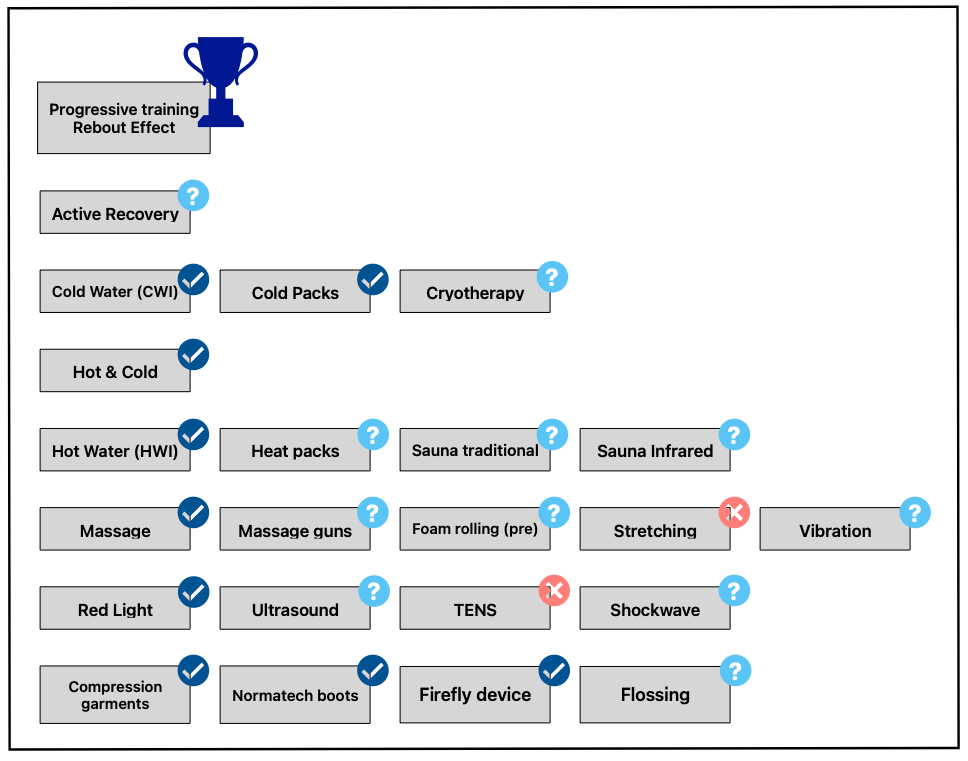
Sadly, the long-standing advice to stretch seems not to have any effect.
Active Recovery
Active recovery has been used for decades for the management of sore muscles. Elite Tour d’France cyclists can be seen sitting on a stationary bike turning the wheels over slowly - even after a gruelling day on the Alps.
However, moderate to low levels of evidence support the use of low intensity exercise to reduce DOMS. It may be no better than other recovery methods. Continued low intensity exercise alleviate pain - albeit only temporarily.
Even is evidence is not great, there is no downside. Everybody can do it - walking and cycling is accessible to everyone and zero cost.
Compression garments & NormaTec-boots
Compression garments - such as socks, shorts, sleeves or tights - are a relatively inexpensive, one-time purchase. They are easy to use, and the duration of wear can be self-determined. Simply pull on your 2XU socks and go on with your day. According to O’Riordan et al. (2021), compression socks can increase blood flow by 11-30%7.
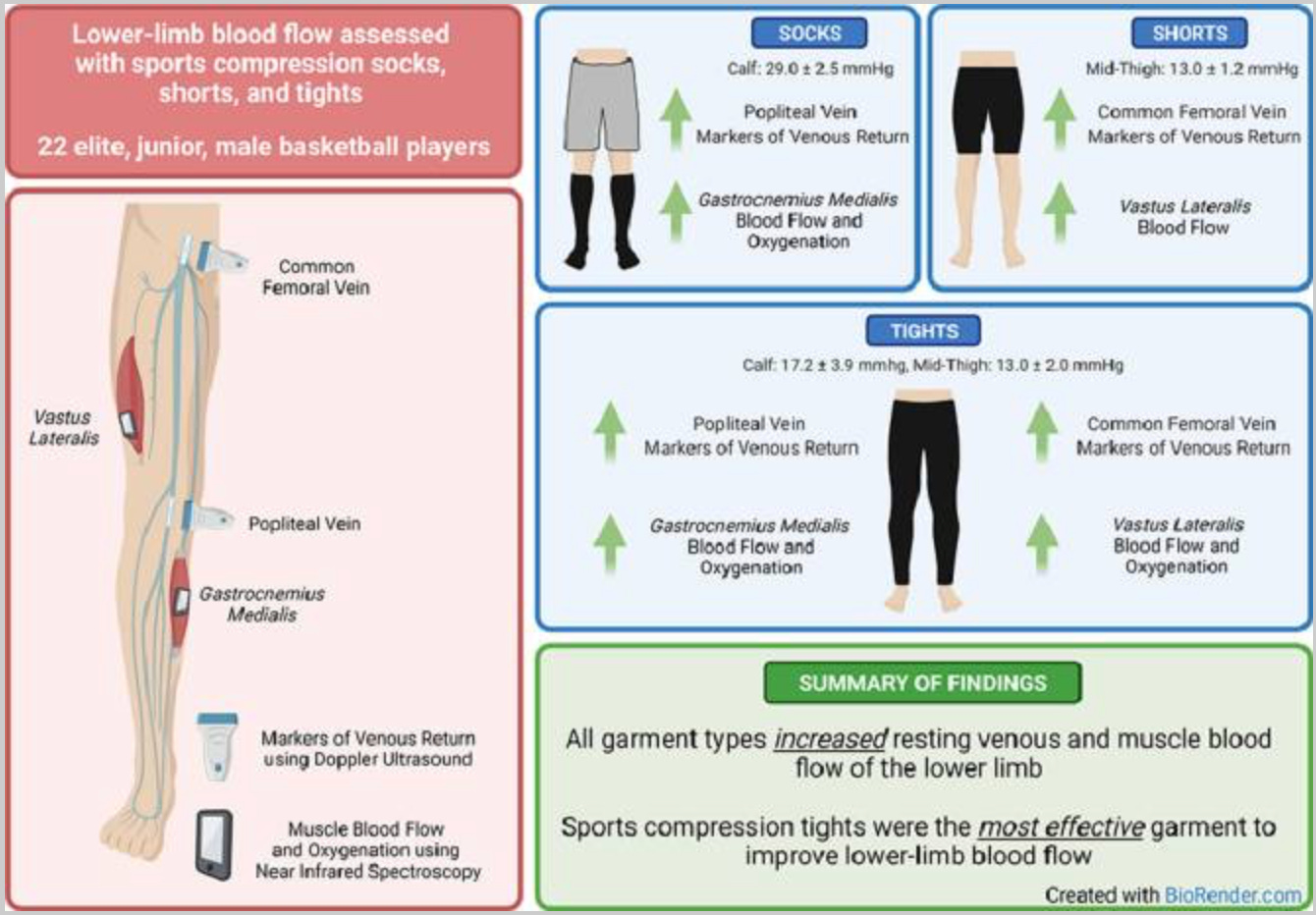
The overall evidence regarding the benefits of compression garments for DOMS is conflicting and inconclusive. Some studies indicate a moderate reduction in muscle soreness and fatigue, but there is no consistent benefit observed in objective biomarkers of muscle damage or inflammation.
Many athletes use NormaTec boots and proclaim feeling less sore and refreshed. NormaTec boots provide dynamic compression through an upwards, zone-by-zone leg massage, beginning at the feet. This external pneumatic compression enhances arterial endothelial function and improves local blood flow.
Despite the increasing popularity and claims, NormaTec boots objectively confer only a small benefit in terms of muscle damage markers and pain8.
If it makes you feel better - there is very little down side to using either methods.
Firefly device
This device was put on my radar by renowned human performance coach and researcher, Dr Andy Galpin, who recommend this for his elite athletes.
The Firefly is a spin-off from the clinically used Geko-device and closely related to TENS with evidence from smaller trials showing tremendous benefit. (The Geko device is used post-operatively to reduce the risk for deep vein thrombosis and in would healing.)
The Firefly are a type of neuromuscular electrical stimulation (NMES), where surface electrodes are applied just below the knee. The impulse stimulates the peroneal nerve to contract the “calf muscle-pump” similar to walking and so enhance blood flow by 95-400% from baseline9. To be honest - these numbers seem a bit high, nevertheless, any increase in blood flow above normal resting will provide benefits.
**Side note: the Firefly device is also while traveling reduce the risk developing of deep vein thrombosis during flying.
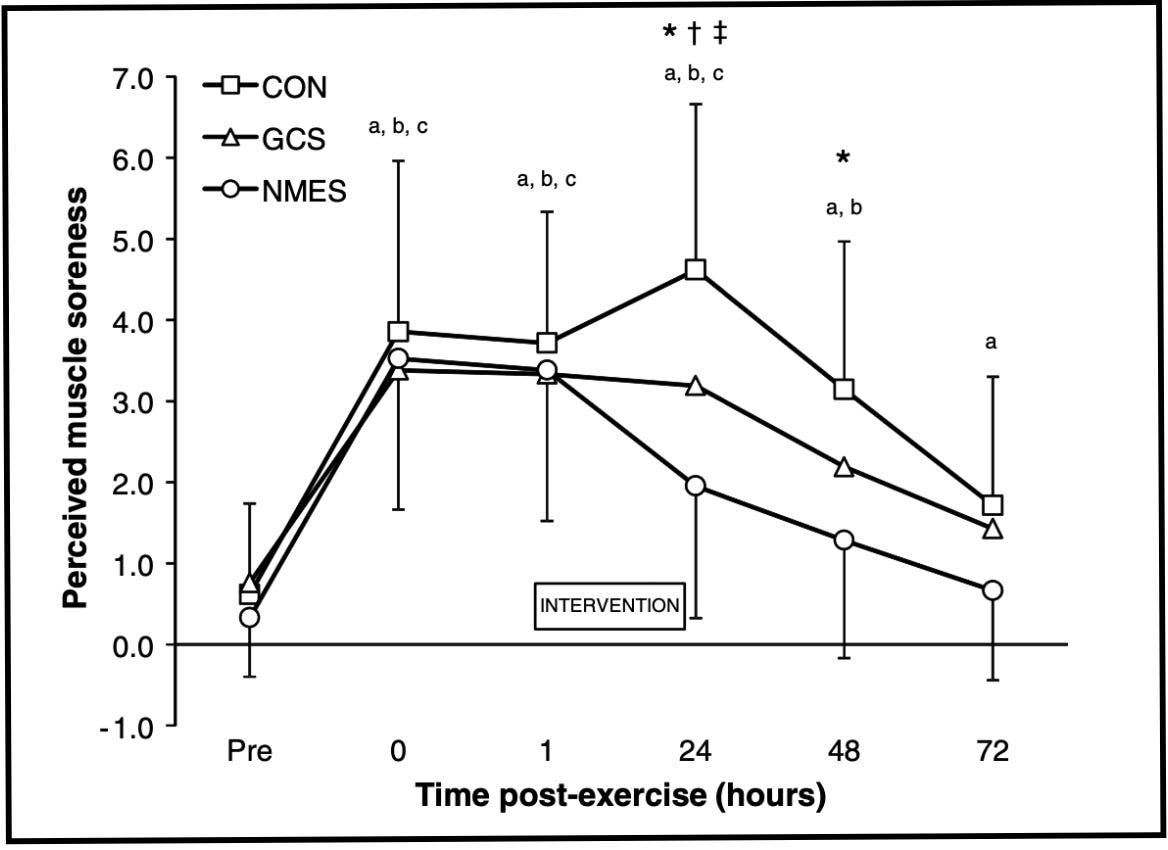
Combining Firefly with compression socks confers additive benefits as reported by the New-Zealand Hurricanes rugby team in 201310. The results indicate substantial benefits with combined use with athletes reporting NO soreness after 3 days when using the Firefly device compared to residual soreness with use of compression garments - still better than passive rest.
The Firefly seems to provide the best of compression socks and Normatec boots: it does not restrict to your daily routine and provide active increase of blood flow.
Cold Water Immersion (CWI)
Cold temperature effects include:
a direct analgesic effect through nerve signalling inhibition,
induce vasoconstriction (narrowing blood vessels),
reduce accumulation of fluid into interstitial space,
reduce the locally inflammatory reaction which in turn reduce feeling of pain.
cold water creates a hydrostatic pressure that facilitates the transport of fluids and metabolites away from the muscle.
Basically, CWI leads to less swelling, less inflammation and less pain.
Research on the efficacy of CWI is conflicting, with many studies reporting varying results. This inconsistency is partly due to differences in the outcomes measured, such as pain, fatigue, stiffness, creatine kinase levels, and inflammatory markers. However, the majority of studies support the use of CWI for reducing pain.
The latest meta-analysis of 55 studies, by Wang et al. (2025)11, summarised the best protocol in terms of temperature and duration - see figure below.

CWI is best done very soon after exercise and certainly has an analgesic effect that lasts for a short period. There is absolutely no benefit from doing CWI the day after exercise.
The downside is that muscle repair and adaption is blunted12. With less blood flow, less amino acids are incorporated into damaged tissue and repair is dampened.
CWI is classically used during competition days where athletes are expected to compete more than once per day or on consecutive days. In this scenario, athletes are prioritising short-term performance over longer term adaptation and recovery.
Very low temperatures can feel very painful and very few people will be able to stay in 5C water for 10-15 minutes.
Cryotherapy
With whole body cryotherapy, you are standing in a chamber (head is outside) with circulating air of -100C (-148F) for 2-5 minutes. Cryotherapy trials again show conflicting evidence for benefits for DOMS recovery. Cryotherapy within 6hr post-exercise confer marginal benefits by blunting the secondary inflammatory response1314.
Even if cryotherapy is effective - it is not easily available and far too expensive.
Heat therapy
Just like cold exposure, heat therapy has been used for 100s of years for many different health benefits. Heat therapy includes hot water, sauna and heat packs.
In my opinion, from a mechanistic perspective - if we are trying to increase blood flow to help reduce swelling - any type of heat will work. When you get hot, your heart rate increases and so does blood flow.
The meta-analysis by Wang et al. 2022 ranks heat therapies for DOMS:
Hot packs
Contrast: hot and cold
Hot water immersion
Sauna - traditional and infrared (not included in analysis)
Hot water immersion may be all placebo. A network meta-analysis in 202415 reported no benefit for DOMS. This was confirmed by a research study in 202516 with a female athlete population. My critique of this study is that participants were only submerged for a very short period of 10-minutes. It is perhaps not long enough for the heat and hydrostatic pressure to have any lasting effects on blood flow.
Sauna
Sauna use is making a strong come back, with infrared versions competing with traditional over which will give the best benefits. Regular sauna is associated with reduced muscle soreness, improved recovery from strenuous physical activity, and enhanced feeling of well-being; mechanisms include vasodilation, increased blood flow, and reduced inflammation.
There are claims that the deeper skin penetration (3-4cm) of infrared saunas provide additional neuromuscular benefits which are not achieved with traditional saunas17.
In terms of exercise recovery and DOMS, both traditional and infrared seems to work: male athletes18 and female athletes19.
It is perhaps a question of accessibility and cost. From a time efficiency perspective, the traditional (or Finnish) sauna will take less of your time. It takes longer for your body to heat up with the lower temperatures of infrared saunas.
Suggested protocols based on current evidence:
Finnish/ Traditional sauna: 5-20 minutes at 80-100C (176-212F), humidity 10-30%
Infrared sauna: 15-30 minutes at 45-70C (113-158F)
Heat stress has many effects on the body, read the review by Hussain et al. for a synopsis20. Heat increase blood flow and activate genes involved in muscle growth and adaptation21.
Anecdotally for DOMS, I prefer whole body immersion in hot water over CWI. If at all possible, straight after the exercise and even later the same night. A jacuzzi or spa would be ideal but a really hot bath works well.
Massage
Attend any sports event and you will see massage being offered to participants. According to the meta-analysis by Dupuy et al. (2018), massage can be a powerful technique for recovering from DOMS and is also effective in lowering markers of damage and inflammation.
Others disagree about the quality of evidence supporting benefits of massage:
“Post-exercise massage is one of the most frequently applied interventions to enhance recovery of athletes. However, evidence to support the efficacy of massage for performance recovery is scarce. Moreover, it has not yet been concluded under which conditions massage is effective.” Poppendieck et al. (2016)22
There are huge variations in study methods making it near impossible the prescribe the best technique or timing.
Getting a massage very soon after exercise will be the best way to reduce any DOMS symptoms. I speculate, most likely remedial massage or some type of lymphatic drainage. Massage guns are increasingly popular and there are very few studies23 showing benefits. Foam rolling is another form of self-massage and shown to be as effective as massage guns24.
Protocol suggestions:
Manual massage: 20-30min, within 2h post-exercise
Massage guns: 4-min per muscle group
Foam rolling: 5-min to entire length of muscle, each roll lasting 2-3sec.
Other therapies in brief
Acupuncture and whole body vibration appear to have no effect. Therapeutic ultrasound and extracorporeal shock wave therapy (ESWT) may have a positive effects on the later stages (+48 hours). Transcutaneous Electro-myostimulation (TENS) has no evidence that it is better than resting.
All sports research studies indicate that consistent higher protein intake is associated with reduced exercise-induced muscle damage. This is not surprising, just like you need bricks the build a house, you need protein to rebuild and repair muscles. The timing of the protein intake does not matter - as long as you have sufficient protein intake daily, the protein will be available for muscle repair. The intake of additional BCAAs is not better than whole-protein sources.
Supplementing with 2-3g of omega-3s has been shown to reduce DOMS by promoting anti-inflammatory pathways and decreasing oxidative stress.
Similarly, taurine seems to help though the exact mechanism is unknown. It may be through a hydration effect, since taurine helps bring water into cells.
Over 50 RCTs have indicated that high intakes of antioxidants does not help to reduce DOMS.
Runners report pain relief through repeated topical use of arnica cream.
Glutamine supplementation is most known for its effect on improving gut lining integrity. For athletes the benefits include less soreness, restoring muscle glycogen, muscle repair, lower inflammation, less fatigue and improved immune function25. A typical daily dose is 6g but doses as high as 20g26 has been used in DOMS research and is recommended for immune support.
Summary
Your next training session is only as good as your recovery from the previous session. If you are in pain, you don’t move well.
Effective and lasting treatment for DOMS with consistent results has so far eluded athletes, coaches and researchers. Some things work sometimes, for some people and for some types of activity. As with many things objectives and context matters.
Things to consider:
Timing ( <24h)
Cost
Access/ availability
Trade-offs
Based on the evidence and my personal preferences, I have designed what I think could work the best for a regular training day.
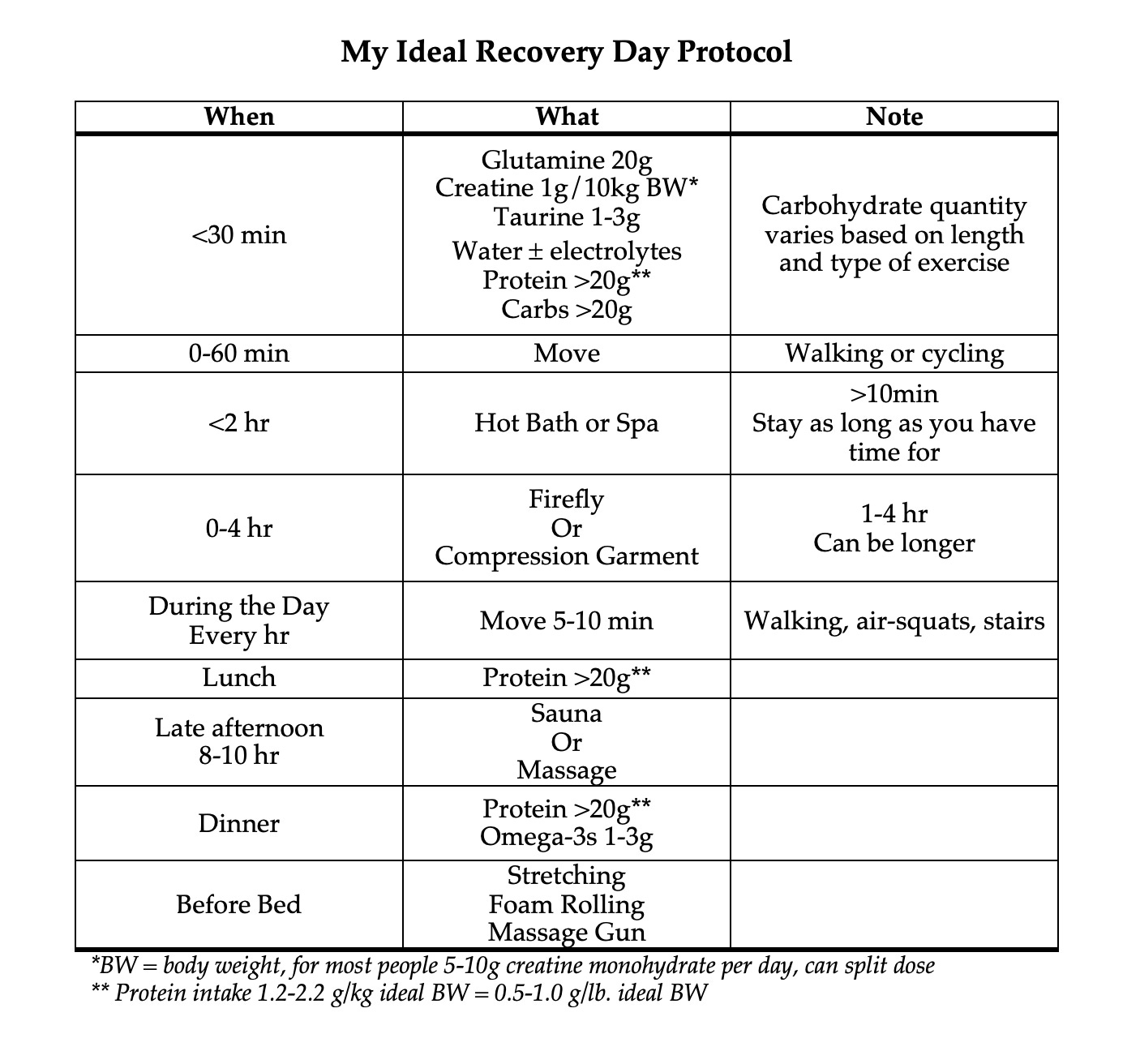
The above is the ideal plan. It may not be possible to do it all. Remember, anything you do within 24 hours of exertion will have benefits in terms of reducing possible DOMS.
Don’t wait until you are sore and stiff - then nothing will help.
After a competition, the only change I would make is to have an ice bath within 60 minutes. If possible the best option would be to have 3 rounds of contrast water therapy: 5-min in cold water (5-10C) followed by 10-min in hot water.
Let me know what you have found that works!
About Estelle
Estelle began her career in financial modelling and reporting in the mining industry. Making a left turn in careers, she obtained her Bachelor of Biomedical Science in 2017 and a Bachelor of Health Science Nutrition & Dietetic Medicine in 2020. She is also a qualified breath coach. These formal qualifications inform her philosophy about health, nutrition, and breathing, shaping her clinical focus. Estelle sees patients for a variety of complex problems including insomnia, fatigue and chronic illnesses.
References:
Hody, Stéphanie et al. “Eccentric Muscle Contractions: Risks and Benefits.” Frontiers in physiology vol. 10 536. 3 May. 2019, doi:10.3389/fphys.2019.00536
Chen, Jing et al. “Differences in the Effectiveness of Different Physical Therapy Modalities in the Treatment of Delayed-Onset Muscle Soreness: A Systematic Review and Bayesian Network Meta-Analysis.” Journal of pain research vol. 18 2993-3008. 15 Jun. 2025, doi:10.2147/JPR.S519242
Nosaka K., Newton M. J., Sacco P. (2005). Attenuation of protective effect against eccentric exercise-induced muscle damage. Can. J. Appl. Physiol. 30 529–542.
Hyldahl, Robert D et al. “Mechanisms and Mediators of the Skeletal Muscle Repeated Bout Effect.” Exercise and sport sciences reviews vol. 45,1 (2017): 24-33. doi:10.1249/JES.0000000000000095
Mizumura, Kazue, and Toru Taguchi. “Neurochemical mechanism of muscular pain: Insight from the study on delayed onset muscle soreness.” The journal of physiological sciences : JPS vol. 74,1 4. 24 Jan. 2024, doi:10.1186/s12576-023-00896-y
McKeigue, Mark E. et al. “Mechanisms and Treatment of Delayed Onset Muscle Soreness in Athletes - A Review.” Journal of Biomedical Research & Environmental Sciences (2022): n. pag.
O'Riordan SF, McGregor R, Halson SL, Bishop DJ, Broatch JR. Sports compression garments improve resting markers of venous return and muscle blood flow in male basketball players. J Sport Health Sci. 2023 Jul;12(4):513-522. doi: 10.1016/j.jshs.2021.07.010. Epub 2021 Jul 24. PMID: 34314879; PMCID: PMC10362518.
Maia, Filipe et al. “Effects of lower-limb intermittent pneumatic compression on sports recovery: A systematic review and meta-analysis.” Biology of sport vol. 41,4 (2024): 263-275. doi:10.5114/biolsport.2024.133665
Tucker A, Maass A, Bain D, Chen LH, Azzam M, Dawson H, Johnston A. Augmentation of venous, arterial and microvascular blood supply in the leg by isometric neuromuscular stimulation via the peroneal nerve. Int J Angiol. 2010 Spring;19(1):e31-7. doi: 10.1055/s-0031-1278361. PMID: 22477572; PMCID: PMC2949997.
Beaven, C Martyn et al. “Electrostimulation's enhancement of recovery during a rugby preseason.” International journal of sports physiology and performance vol. 8,1 (2013): 92-8. doi:10.1123/ijspp.8.1.92
Wang, Hai et al. “Impact of different doses of cold water immersion (duration and temperature variations) on recovery from acute exercise-induced muscle damage: a network meta-analysis.” Frontiers in physiology vol. 16 1525726. 26 Feb. 2025, doi:10.3389/fphys.2025.1525726
Betz, Milan W et al. “Postexercise Cooling Lowers Skeletal Muscle Microvascular Perfusion and Blunts Amino Acid Incorporation into Muscle Tissue in Active Young Adults.” Medicine and science in sports and exercise vol. 57,9 (2025): 1866-1876. doi:10.1249/MSS.0000000000003723
Dupuy, Olivier et al. “An Evidence-Based Approach for Choosing Post-exercise Recovery Techniques to Reduce Markers of Muscle Damage, Soreness, Fatigue, and Inflammation: A Systematic Review With Meta-Analysis.” Frontiers in physiology vol. 9 403. 26 Apr. 2018, doi:10.3389/fphys.2018.00403
Schroeter S, Bloch W, Hirschmüller A, Engelhardt M, Grim C, Heiss R, Hotfiel T. Update: Delayed Onset Muscle Soreness(DOMS) – muscle biomechanics, pathophysiology and therapeutic approaches. Dtsch Z Sportmed. 2024; 75: 189-194. doi:10.5960/dzsm.2024.608
Chen R, Ma X, Ma X, Cui C. The effects of hydrotherapy and cryotherapy on recovery from acute post-exercise induced muscle damage-a network meta-analysis. BMC Musculoskelet Disord. 2024 Sep 18;25(1):749. doi: 10.1186/s12891-024-07315-2. PMID: 39294614; PMCID: PMC11409518.
Wellauer, Vanessa et al. “No acceleration of recovery from exercise-induced muscle damage after cold or hot water immersion in women: A randomised controlled trial.” PloS one vol. 20,5 e0322416. 7 May. 2025, doi:10.1371/journal.pone.0322416
Ahokas EK, Ihalainen JK, Hanstock HG, Savolainen E, Kyröläinen H. A post-exercise infrared sauna session improves recovery of neuromuscular performance and muscle soreness after resistance exercise training. Biol Sport. 2023 Jul;40(3):681-689. doi: 10.5114/biolsport.2023.119289. Epub 2022 Sep 15. PMID: 37398966; PMCID: PMC10286597.
Ahokas EK, Hanstock HG, Kyröläinen H, Ihalainen JK. Effects of repeated use of post-exercise infrared sauna on neuromuscular performance and muscle hypertrophy. Front Sports Act Living. 2025 Mar 4;7:1462901. doi: 10.3389/fspor.2025.1462901. PMID: 40104529; PMCID: PMC11913669.
Beever, Richard. "Far-infrared saunas for treatment of cardiovascular risk factors: summary of published evidence." Canadian family physician 55.7 (2009): 691-696.
Hussain J, Cohen M. Clinical Effects of Regular Dry Sauna Bathing: A Systematic Review. Evid Based Complement Alternat Med. 2018 Apr 24;2018:1857413. doi: 10.1155/2018/1857413. PMID: 29849692; PMCID: PMC5941775.
Heiss, Rafael et al. “Advances in Delayed-Onset Muscle Soreness (DOMS) - Part II: Treatment and Prevention.” “Delayed Onset Muscle Soreness – Teil II: Therapie und Prävention.” Sportverletzung Sportschaden : Organ der Gesellschaft fur Orthopadisch-Traumatologische Sportmedizin vol. 33,1 (2019): 21-29. doi:10.1055/a-0810-3516
Poppendieck, Wigand et al. “Massage and Performance Recovery: A Meta-Analytical Review.” Sports medicine (Auckland, N.Z.) vol. 46,2 (2016): 183-204. doi:10.1007/s40279-015-0420-x
Li, Haiwei et al. “The effect of percussion massage therapy on the recovery of delayed onset muscle soreness in physically active young men-a randomized controlled trial.” Frontiers in public health vol. 13 1561970. 26 Mar. 2025, doi:10.3389/fpubh.2025.1561970
Szajkowski, Sebastian et al. “Foam Rolling or Percussive Massage for Muscle Recovery: Insights into Delayed-Onset Muscle Soreness (DOMS).” Journal of functional morphology and kinesiology vol. 10,3 249. 29 Jun. 2025, doi:10.3390/jfmk10030249
Lu, Cheng-Chung et al. “L-Glutamine is better for treatment than prevention in exhaustive exercise.” Frontiers in physiology vol. 14 1172342. 28 Apr. 2023, doi:10.3389/fphys.2023.1172342
Legault, Zachary et al. “The Influence of Oral L-Glutamine Supplementation on Muscle Strength Recovery and Soreness Following Unilateral Knee Extension Eccentric Exercise.” International journal of sport nutrition and exercise metabolism vol. 25,5 (2015): 417-26. doi:10.1123/ijsnem.2014-0209