

Imagine you have a factory
You are the manager of a huge, complex factory. (You are the boss - you make make anything you like :).

Typically a factory has a several front and back doors. Some doors will accept delivery of a number of items, but other doors will only accept one special item.
There are several sections inside including a planning office, soldering, sawing, cutting, parts assembly, maintenance, temperature control, and a lunch room - feel free to add sections as you imagine what your factory looks like. Make sure there is a coffee station! There is also a big road near the front and back doors, and some smaller roads around. Trucks drive by with various items, sometimes they stop to deliver things for you and other times they drive past on their way to somewhere else.
For a long time things are ticking along nicely. As manager you send routine emails to suppliers and stuff gets delivered as you need. All your workers are (mostly) happy and produce high quality output.
Occasionally, you need extra supplies but this problem is easily solved with a few extra emails or simply hailing a passing truck.
But then one day, your supplies of a critical product start to become unreliable. It doesn’t come for days or too much is delivered at once. You send a few extra emails, sometimes it works and you get the stuff you need.
Meanwhile, things inside the factory are starting to become a bit frantic.
You have to reduce output and workers are getting injured as they try to maintain product quality with less than ideal input. Some stations are on idle. The cleaning crew is on go-slow and rubbish is piling up. The temperature control in very unreliable; too hot… then too cold - nobody can figure it out. Stress levels are rising and everybody is struggling to think clearly. Workers are getting injured, seemingly for no reason at all. Emotions rollercoaster between anxiety, depression and complete apathy.
As manager, you do the logical thing:
You send MORE and MORE EMAILS.
You shut down sections to focus on absolute essentials.
Some workers are made redundant.
Coffee intake skyrockets, as those that are left, try to do everything. But this makes them agitated.
Sleep is not a thing.
During a creative brainstorm session, your team hypothesise that perhaps the suppliers changed ownership and they have rerouted the trucks. The trucks can’t find the dedicated door!
The proposal to INSTALL MORE DOORS is accepted. At least we have a better chance of hailing down passing trucks.
I know - it doesn’t quite work that way. But I hope the image help to illustrate what is happening.
This is what is happening in your brain when estrogen supply falls off a cliff during the transition to menopause.
The delivery of estrogen becomes erratic then stops completely. Many areas of your brain is not working properly. Your brain sends more and more messages to the ovaries asking for more estrogen. In an effort to acquire any estrogen in the passing bloodstream, estrogen receptor density increases (more doors for the factory).
Your brain is crying out for more estrogen!
Hormones are Messengers
All hormones are signalling messengers. They are typically made in one place and transported through blood to other tissues to initiate a certain job. The cells that use these hormone messengers have specific receptors where the hormone docks, sometimes entering the cell and sometimes the docking starts another process inside the cell. Cells are very clever little things - they will make more receptors if they need more of a specific messenger.
Estrogen and Progesterone
During adulthood, estrogen and progesterone supply follow a predictable cycle of roughly 28 days. Yes, I know for many women the cycle is far from predictable, but that is a discussion for another day.
The few years before menstruation stops completely, is called peri-menopause. This period is characterised by huge fluctuations in the ‘predictable’ supply of estrogen, progesterone and testosterone before supply completely stops1.
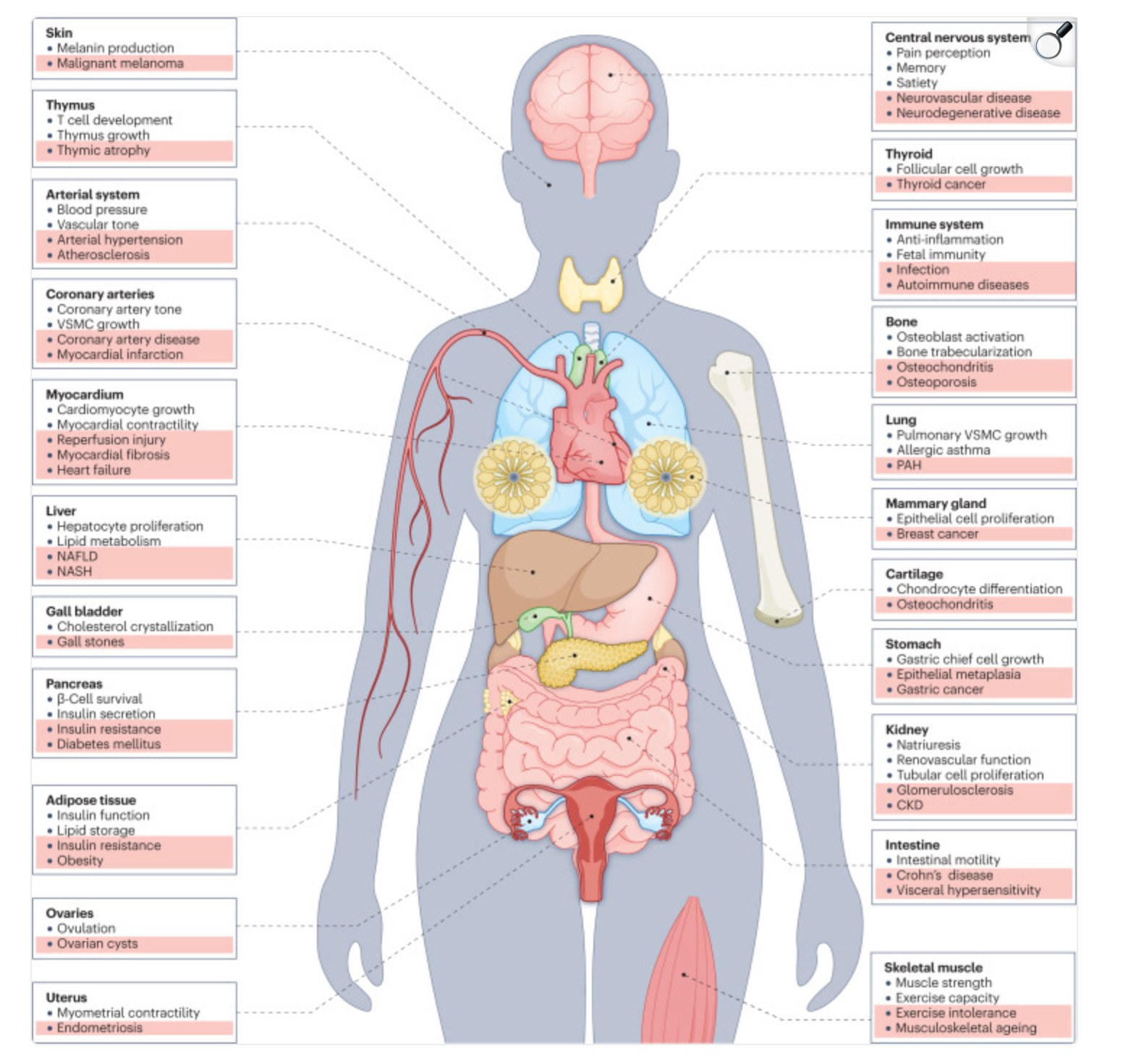
Ovaries are the main destination for the estrogen messenger molecules. But there are estrogen receptors on bone, skin, arteries, heart muscle, liver, pancreas, fat, thyroid, immune system, intestine, cartilage, muscle AND the brain2.
Research by Dr Lisa Mosconi
For many decades it was assumed that estrogen only plays a role in ovulation regulation and female reproduction. In 1997, McEwen et. al highlighted the role that estrogen plays in cognition and aging. Almost 20 years later, Brinton et. al classified perimenopause as a neurological transition state.
Measuring things in the brain is difficult in living people. Research in rodents suggested that estrogen receptors increase dramatically in the pituitary and eventually die off in the brain when supply stops.
In 2024, Dr Lisa Mosconi 3published a ground breaking paper highlighting what happens to estrogen receptor density in the brain in humans during menopause.
As mentioned earlier, brain cells have special receptors for estrogen (ERs) - the special doors of our factory.
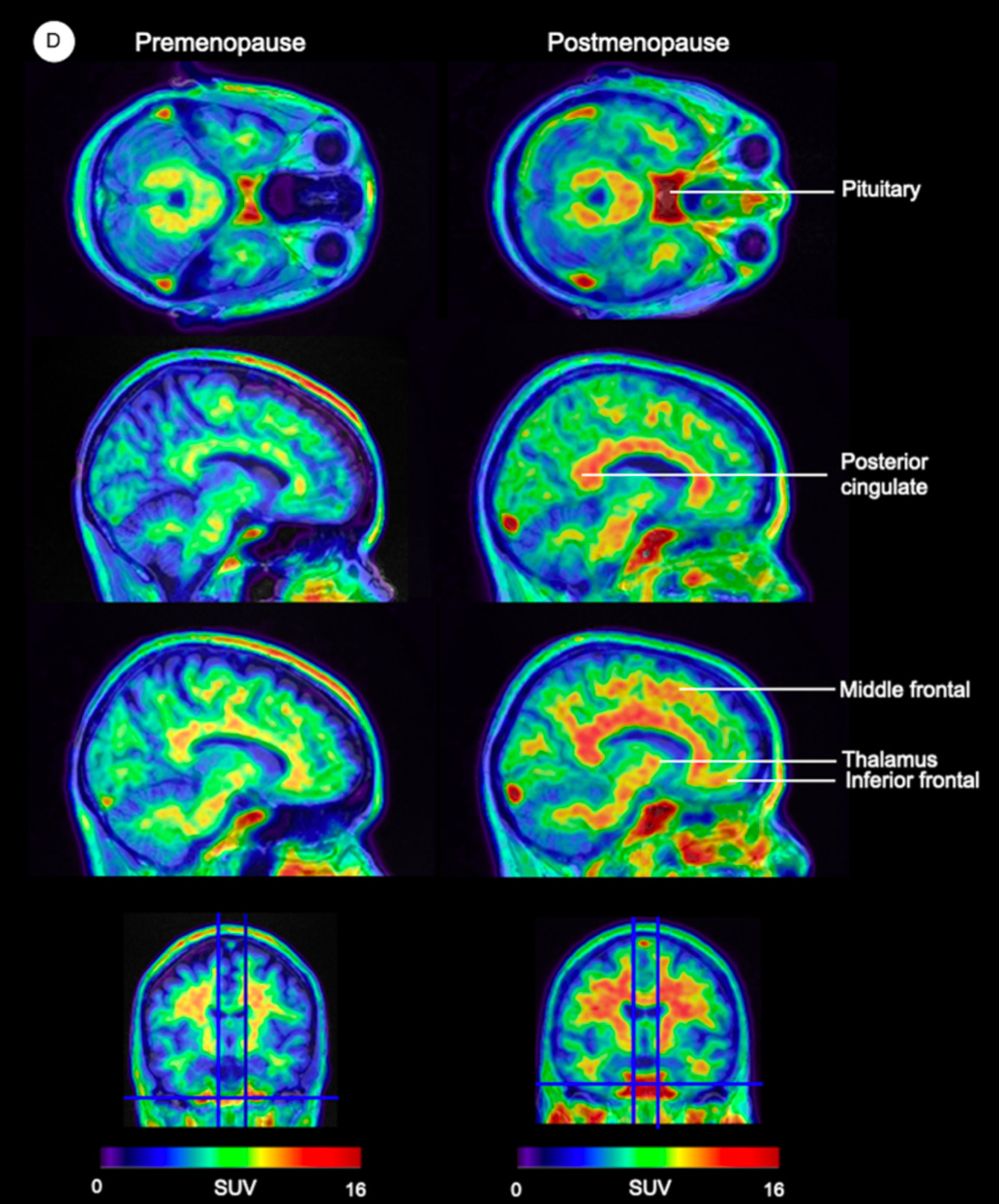
The study used PET (positron emission tomography) to see what happens with the number of estrogen receptors in the brain. The participants were injected with F-fluoroestradiol before undergoing the scans. The PET scan will highlight areas where the estrogen molecules bind to the estrogen receptors.
A total of 54 women, aged 40-65y were enrolled for the study. They were divided into three groups: pre-menopausal, peri-menopausal and post-menopausal. The results were astounding - the figure below almost needs no explanation. Red areas show a higher density of estrogen receptors.
Estrogen receptor numbers increase in post-menopause reflecting the brain cells attempt at trying to get more estrogen from a limited supply,
Study Findings
ER density increased in a menopause-stage dependent fashion.
higher ER density increased in brain regions of cognitive functions
ER density increase with menopause symptoms of self-reported mood disturbances and cognitive declines
ER density increase were independent of age
the ER density increase can be used to classify a women as post-menopausal
What this means for you.
If you are a women, your estrogen supply will eventually stop.
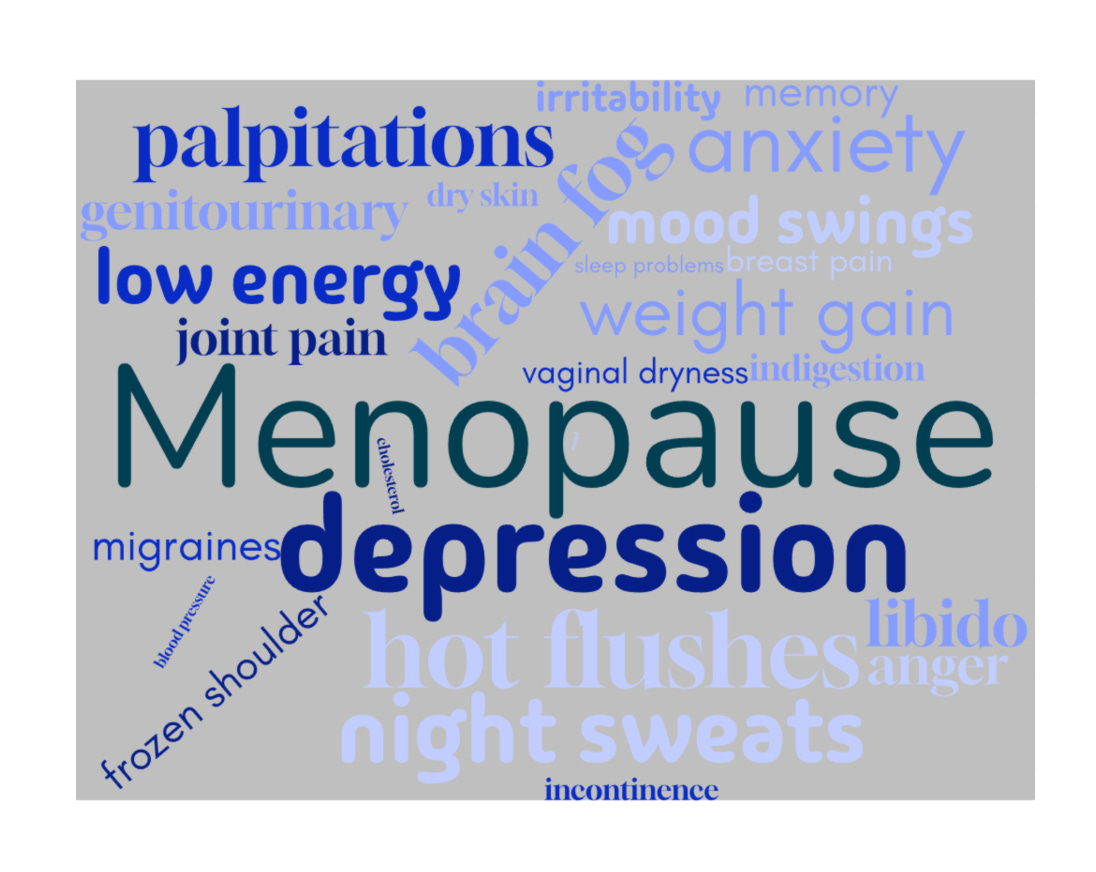
Symptoms of estrogen decline are wide-ranging and not confined to hot flushes. It is not your imagination. In a recent presentation by Dr. Louise Newson, she stated that 1/5 women in the UK stop work due to detrimental cognitive symptoms of menopause.
There are a lot evidence that hormone replacement therapy reduce cognitive symptoms. Preliminary data suggest that there is a critical period in which hormone replacement can protect against neurodegeneration.
HRT may not be suitable for everybody. There are other options to ensure your lifestyle and ambitions for your future self remains viable.
My message: do not let a label define who you are and what you can be.
Information can be found here:
HRT options available in Australia
Cleveland Clinic Women’s Alzheimers Movement.
Dr Louise Newson has lost of resources on her website, an excellent podcast, and app Balance-menopause.
Dr Kelly Casperson podcast
Dr Mary Claire Haver - a lot about nutrition
Podcasts
The Drive by Peter Attia #42 with Avrum Bluming (25 February 2025)
The HubermanLab with Dr Mary Claire Haver (3 June 2024)
Diary of a CEO with Dr Lisa Mosconi (13 June 2024)
Books
Estrogen Matters by Dr Avrum Z. Bluming and Carol Travis
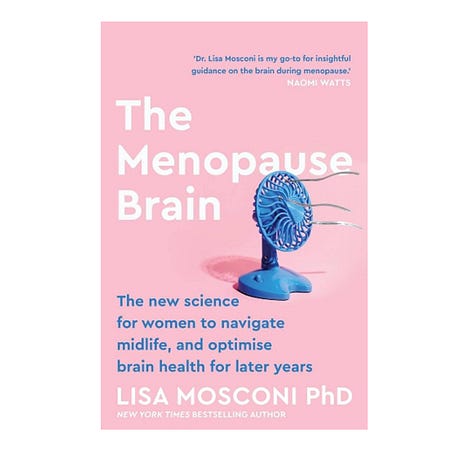
The Menopause Brain by Dr Lisa Mosconi
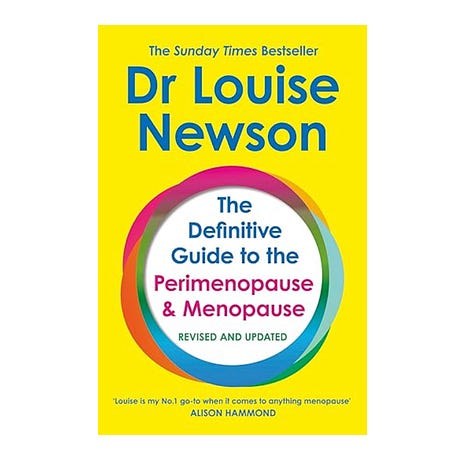
The Definitive Guide to the Perimenopause and Menopause by Dr Louise Newson
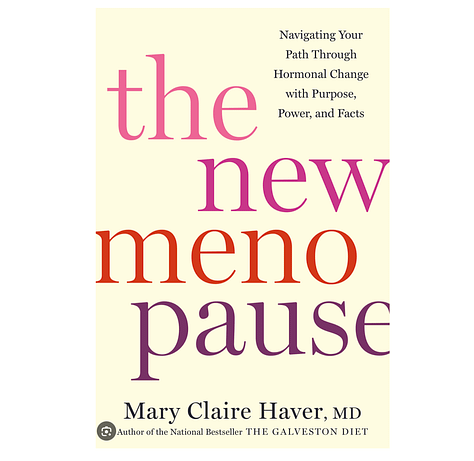
The New Menopause by Dr Mary Claire Haver
You are not Broken by Dr Kelly Casperson
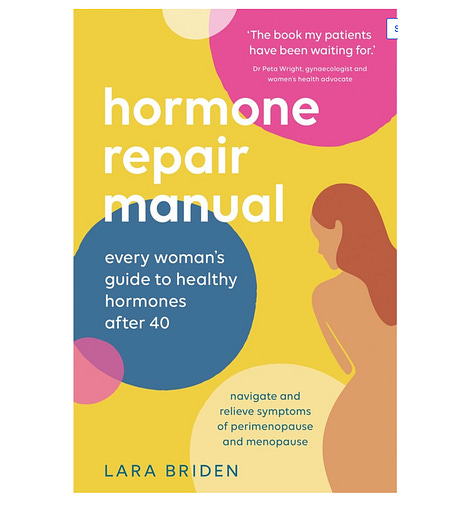
Hormone Repair Manual by Lara Briden
Unbreakable by Dr Vonda Wright (out soon)



Menopause is not the end - it is the beginning.
About Estelle
Estelle received a Bachelor of Biomedical Science (Distinction) from the University of Newcastle in 2017. To use this knowledge in a more practical and client focus way, she completed her Bachelor of Health Science Nutrition & Dietetic Medicine in 2020. She is also a qualified breath coach. These formal qualifications inform her philosophy about health, nutrition, breathing and influence her clinical focus.
Reference:
Santoro, N et al. “Characterization of reproductive hormonal dynamics in the perimenopause.” The Journal of clinical endocrinology and metabolism vol. 81,4 (1996): 1495-501. doi:10.1210/jcem.81.4.8636357
Prossnitz ER, Barton M. The G protein-coupled oestrogen receptor GPER in health and disease: an update. Nat Rev Endocrinol. 2023;19(7):407-424. doi:10.1038/s41574-023-00822-7
Mosconi, Lisa et al. “In vivo brain estrogen receptor density by neuroendocrine aging and relationships with cognition and symptomatology.” Scientific reports vol. 14,1 12680. 20 Jun. 2024, doi:10.1038/s41598-024-62820-7